
It raises the bar for its own justification
The Decorative Paradox
Is this art or decoration?
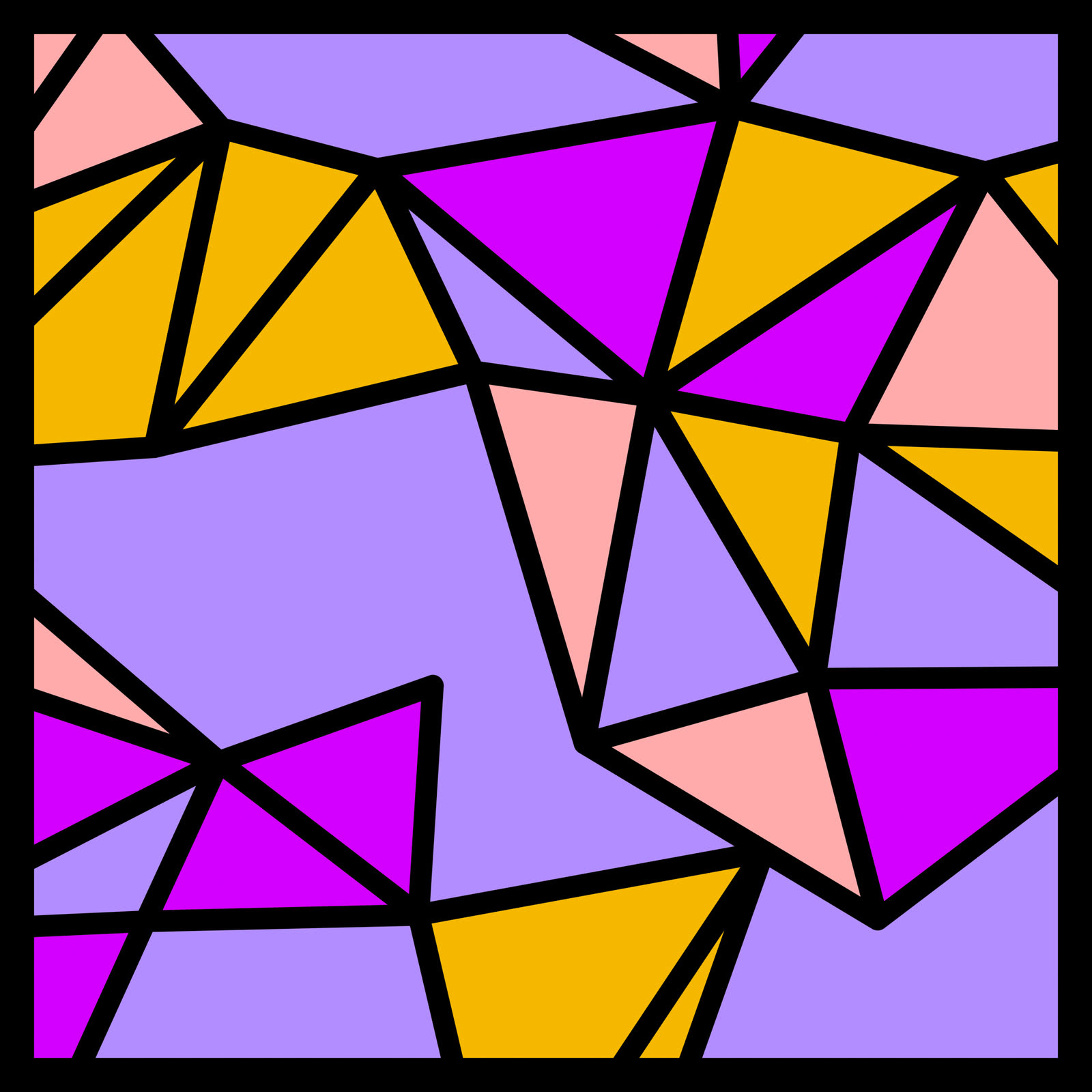
Decoration is often distinguished from art by denying it meaning, reflection or interpretive depth. Art is regarded as an object of interpretation and reflection, decoration as mere design whose effect calls for no further engagement.
This distinction contains a contradiction.
Anyone who claims that an object is decoration and not art is not merely describing an object. They are drawing a distinction. They are classifying. They are positing a context. And they are giving reasons why the object should be understood in a particular way.
That is precisely the problem.
The claim “This is decoration” already rests on the very process by which it tries to set itself apart from art: reflection.
The decorative paradox arises from a simple assumption:
Art does not exist independently of being viewed. Without being viewed, there is at first merely an object. Art arises where an object becomes the subject of attention, interpretation and reflection.
Anyone who calls an object decoration is already viewing that object. Anyone who justifies this attribution is, beyond that, reflecting on its meaning, its status and the reasons for classifying it.
In doing so, they carry out precisely the process by which, on this view, art comes into being.
The paradox lies in the fact that the attempt to distinguish an object as mere decoration from art is already carried out through the very act that brings forth its character as art.
The statement “This is decoration” is therefore not a neutral description. It is a positing. It places an object within a particular frame of meaning and claims validity for this classification.
The more strongly this classification is justified, the further the object enters the realm of reflection. The claim appeals to the absence of reflection and at the same time generates precisely the reflection it denies the object.
The decorative paradox does not claim that all decoration is art. Rather, it shows that the distinction between art and decoration does not stand outside the processes through which art comes into being.
The attempt to distinguish something as mere decoration from art already performs the process by which art is brought forth.
This does not make the separation impossible. It does, however, lose its self-evident character.
The question thus shifts.
No longer:
Is this art or decoration?
But rather:
What is this distinction based on in the first place?
The decorative paradox shows that reflection alone is not enough to distinguish art from decoration. For reflection already occurs in the attribution itself.
Reflection thus loses its status as an unambiguous criterion of distinction.
The question of artistic quality remains, but it has to be asked more precisely.
Which aspect makes artistic quality possible at all?
The more closely this question is examined, the clearer it becomes that judgements about art cannot be traced back to absolute criteria. In the end they rest on a form of resonance between work and viewer. This resonance can be described, reflected on and argued. It cannot, however, claim universal validity.
Judgements about art are therefore neither objective truths nor mere matters of taste.
They are positings that can be justified.
Their strength lies not in their absoluteness but in the quality of their justification.
The decorative paradox therefore does not lead to the dissolution of the concept of art.
It raises the bar for its own justification.
For if even the distinction between art and decoration rests on reflection, then an appeal to reflection is no longer enough to explain artistic quality.
The question of art begins precisely where simple answers no longer suffice.
How to cite
Post, Tobias (2026): The Decorative Paradox. Is this art or decoration? https://cube4arts.com/documents/das-dekorative-paradoxon
Author
Tobias Post
Painting · Digital Light Art · Sculpture · Curatorial Projects
More documents
All documents-
Two separate halves grow together
Tobias Post — the story behind the art
Combining art and technology is my superpower for immersive art
-
Stance and school of thought
Post-Digital Model of Positing, after Tobias Post
Looking is itself a form of positing
-
Leaving things out is not the only way
Complexity as Positing
Groups, rhythms and variants within structures
-
A historical hypothesis on the new meaning of art
From Post-War Society to AI Society
How human competence is shifting
-
It is not only the work that gets standardised
The Mislabelling
but the entire social staging of being an artist